NYC Private Rooms for Nightlife: Tables, Semi-Private Space, and Buyouts
A private room is not always the right move. For many New York nights, the better choice is a well-placed table, a semi-private section, or a hosted plan that keeps the group inside the room without overbuilding the event.
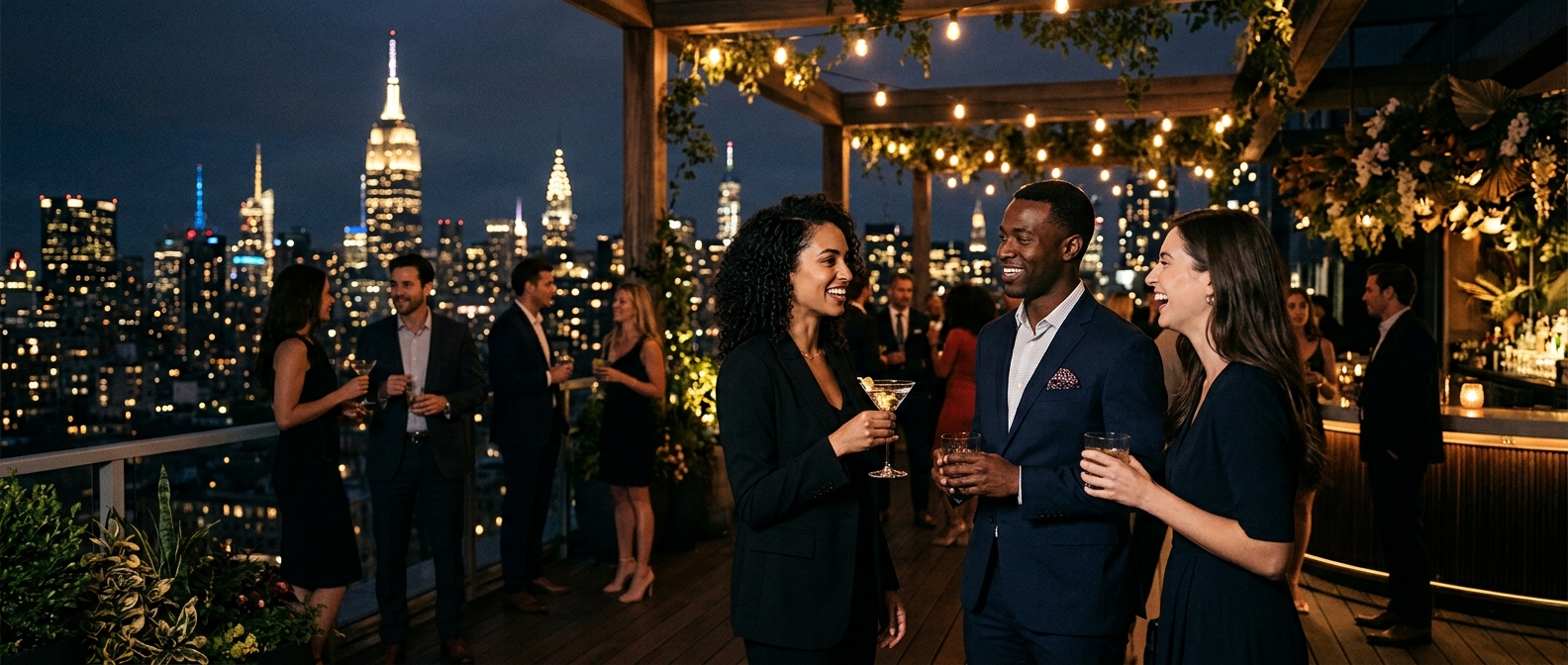
Searches for private rooms in NYC nightlife usually come from a practical problem: the host wants a night that feels considered, but the group does not fit a standard reservation. It might be a client table that needs discretion, a birthday with guests arriving from dinner, a founder circle that wants conversation before the room gets louder, or a team celebration that should feel hosted without turning into a banquet.
The useful first question is not which venue has the most dramatic room. It is what level of control the night actually needs. A private room can protect conversation and arrival flow. A full buyout can support production, guest movement, and a controlled door. But a strong table or semi-private section can often feel more natural because the group still benefits from the energy of the main room.
Choose the format before the venue
Venue pages often show capacities, private dining rooms, DJ booths, reception layouts, and production capabilities. Those details matter, but they should come after the format decision. A group of eight does not need the same plan as a 70-person client reception, even if both are searching for a private nightlife setting.
Start by deciding whether the group needs seating, privacy, guest-list control, a presentation moment, or a room that can adapt as guests arrive. Once that is clear, venue names become easier to evaluate and the request becomes much easier to quote accurately.
| Format | Best fit | Tradeoff | Next step |
|---|---|---|---|
| VIP table | 6-12 guests who want seating, entry clarity, and a visible home base. | Less privacy, but usually the cleanest route when the group wants the energy of the main room. | VIP table service |
| Semi-private section | 12-35 guests who need a little separation without making the night feel formal. | Good for mingling, but speeches, branding, or controlled audio may still be limited. | Corporate nightlife |
| Private room | Private dinners, client groups, birthdays, and hosted circles that need more control. | More discretion and planning control, but the room must still feel alive once guests arrive. | Private event route |
| Full buyout | Brand moments, company celebrations, larger birthdays, and events with production needs. | Maximum control, higher planning load, and more details to confirm before quoting. | Discuss a buyout |
When a private room is worth it
A private room is useful when the host needs more than a table: controlled arrivals, quieter conversation, a dinner-to-nightlife transition, a short toast, a more defined guest list, or a room that can hold a group without scattering people through the venue. It is also helpful when the host wants a layer of separation from the main floor while still keeping the night close to the venue's energy.
The risk is overcorrecting. Some hosts ask for private rooms because they want the night to feel important, then discover that the group would have been better served by a table in the right part of the room. Privacy can make a night feel composed, but too much separation can remove the music, movement, and chance encounters that make nightlife work.
Door clarity
Clear arrival instructions matter more when guests are senior, client-facing, or arriving in waves.
Discretion
Privacy needs should be named early: photos, guest names, speeches, and who can access the room.
Guest flow
The room should support movement, conversation, service, and a clean handoff into the rest of the night.
What current venue examples show
Public NYC venue pages show why private-room planning has to stay adaptable. Some nightlife venues market full buyouts and production services; others highlight private dining rooms, rooftop reception layouts, or cabaret-style spaces with sound and lighting. Planning guides for private rooms also show a wide spread of smaller bar rooms, lounge spaces, and event formats.
Treat those examples as planning signals, not promises. Capacity, minimum spend, staffing, event calendar, room availability, and door policy can change by date. The stronger approach is to build the request around the host's needs, then compare current options against that brief.
The brief to send before asking for rooms
A vague request such as "we need a private room" usually creates slow answers and mismatched options. A concise brief helps separate a table request from an event request, and it keeps the host from comparing rooms that solve different problems.
- Date or date range, plus whether the night is fixed or adaptable.
- Expected headcount, including whether guests may arrive in waves.
- Guest profile: clients, friends, team, approved guests, or a mixed circle.
- Preferred tone: lounge-forward, dinner-to-club, dance-floor, rooftop, or private room.
- Spend comfort, including whether tax, gratuity, production, and staffing have been considered.
- Privacy needs, photo preferences, arrival sensitivity, and whether speeches or branding are involved.
Private room mistakes to avoid
The first mistake is using headcount alone to choose the room. Thirty guests can mean a cocktail reception, a seated dinner, a table cluster, or a private lounge, depending on whether people need to talk, dance, listen, eat, or arrive across the night.
The second mistake is ignoring the main-room relationship. A private space that is too disconnected can feel flat after the first hour. A section that is too exposed can defeat the reason the host wanted privacy. The right room gives the group a base without making the night feel sealed off.
The third mistake is waiting too long to name the budget. Private-room pricing is shaped by date, headcount, food and beverage minimums, staffing, production, and whether the host needs a buyout. A clear spend comfort does not lock the host into one answer; it helps avoid rooms that were never a fit.
How ICLUB routes private-room intent
ICLUB starts with the reason behind the room. A client night may need discretion and easy conversation. A birthday may need photo-friendly placement, a table center, and a clear arrival window. A company celebration may need a semi-private section that lets guests mingle without turning the night into a staged event.
From there, the recommendation may be a table, a private room, a semi-private lounge section, a rooftop plan, or a full event route. The goal is to protect the guest experience: the right door, the right room, and enough structure that the host is not solving logistics by text while guests are arriving.
Related planning paths
If the night is primarily business-facing, start with corporate nightlife events. If the event is a birthday, bachelorette, or milestone celebration, compare it with birthday party packages. If the group is smaller and mainly needs a clean entry path plus seating, the better route may be VIP table service.
Sources reviewed
These sources were reviewed for current market context around private events, buyouts, and room formats. They are examples only and do not imply a partnership or confirmed availability.